

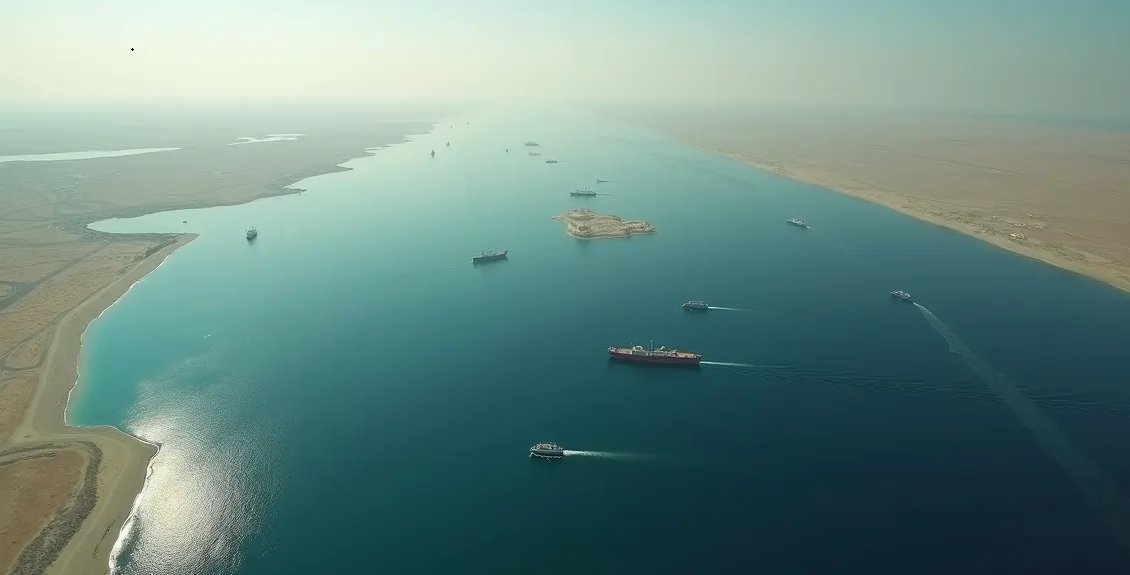
This 33 kilometre passage between the Arabian Gulf and the Gulf of Oman is one of the world’s most critical shipping lanes.
Through it flows 20 per cent of global oil consumption, 20 per cent of the world’s liquefied natural gas trade,
30 per cent of internationally traded fertilisers, and 45 per cent of global sulphur exports.
Before 28 February 2026, an average of 138 commercial vessels transited the Strait every day.
Since the conflict began, vessel traffic through the Strait has fallen significantly, with commercial movements remaining well below normal levels.
Freight costs have spiked to historic levels, with benchmark tanker rates reaching record highs and air freight surcharges increasing sharply across multiple trade routes.
The International Energy Agency has described this as one of the most significant energy supply shocks in modern history, larger than the 1973 and 1979 oil crises combined.
Emirates Shipping Association has issued multiple member advisories covering the operational detail for the maritime community.
This article focuses on the wider picture: what happens when a single chokepoint goes dark,
and what it reveals about the hidden dependencies that connect a shipping lane in the Gulf to a diesel pump in Germany, a fertiliser shipment in Brazil, a restaurant in India,
and a grain harvest in sub-Saharan Africa.
As the situation continues to evolve, this article reflects publicly available information and market analysis as of 18 May 2026.